
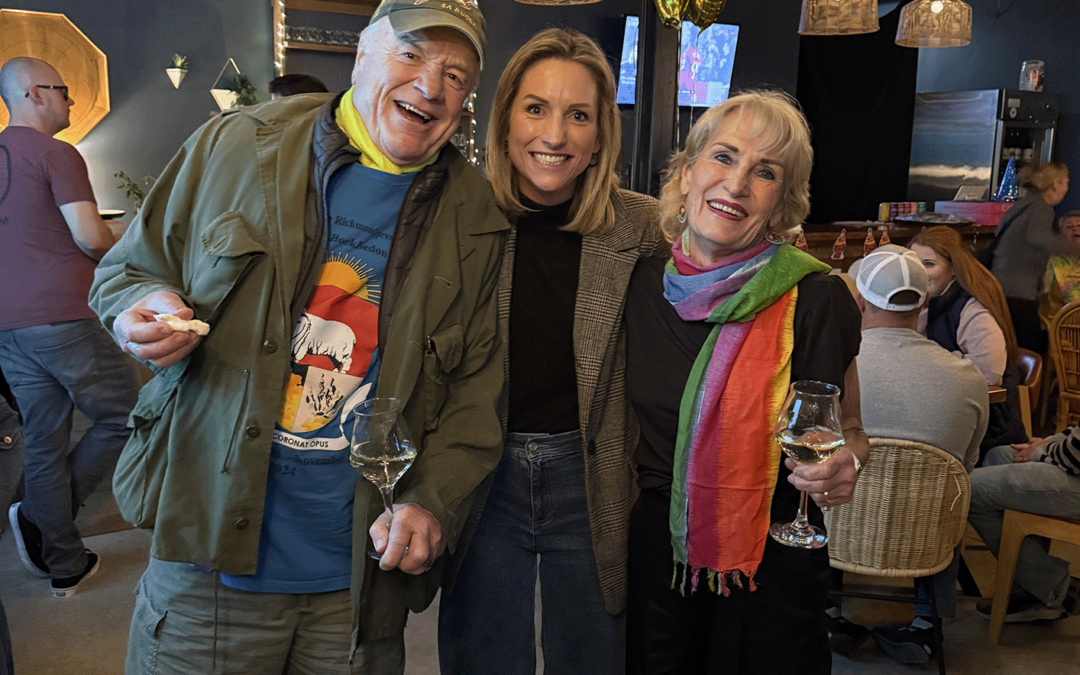
Proud to be the vet’s daughter.
Why Your Pet’s Dinner Costs More Than Yours:
A Peek Behind the (Regulatory) Curtain
I have recently been helping out at my parents’ veterinary practice in South Africa, and in a moment of generosity (or temporary madness), I offered to pay for my dog and cat food.
Now, as the daughter of a vet, I have lived a very sheltered pet-owner life. I’ve never known the price of vaccinations, spays… or kibble. When friends complain about the cost of pet food, I nod sympathetically but secretly think, how bad can it be?
Well, on this particular day, my good intentions collided with reality. As I reached for my wallet, I discovered what everyone else has apparently known for years: pet food is expensive. Shockingly so. The experience triggered two immediate thoughts:
- Always accept the family discount.
- Maybe it’s worth sharing some insight into what is needed for a pet food to get to our shelves.
So, what’s behind the price tag?
What most people don’t realise is that pet food in South Africa is one of the most tightly regulated product categories — and for good reason. It’s considered a “farm feed” under the Fertilizers, Farm Feeds, Agricultural Remedies and Stock Remedies Act (Act 36 of 1947). The pet food industry consumes agricultural by-products generated through food processing (such as meat, chicken and fish) and primary agricultural products such as grains. In addition pet food also includes therapeutic foods which are designed to meet specific nutritional or medicinal needs of a diseased pet. As such, certain pet foods may in fact only be sold by professional veterinarians
That means every bag, tin or treat intended for dogs, cats, parrots, or ponies must be registered with the Department of Agriculture before it can legally be marketed and sold, and it must comply with other applicable legislation such as the Meat Safety Act, 2000 the Animal Health Act, 2002 and the Genetically Modified Organisms Act, 1997 to name but a few.
And registering a pet food is no walk in the park. Companies are required to submit a rather extensive amount of data — nutritional analyses, ingredient certificates, shelf-life and safety studies, microbiological reports and details on sites of manufacture — all to prove that the food meets performance standards and is safe for animal consumption.
The process can take years and requires careful navigation through complicated technical and legal requirements. Add the cost of quality raw materials, compliance testing, packaging, logistics and retail markup — and suddenly that R800 bag of food starts to make a bit more sense.
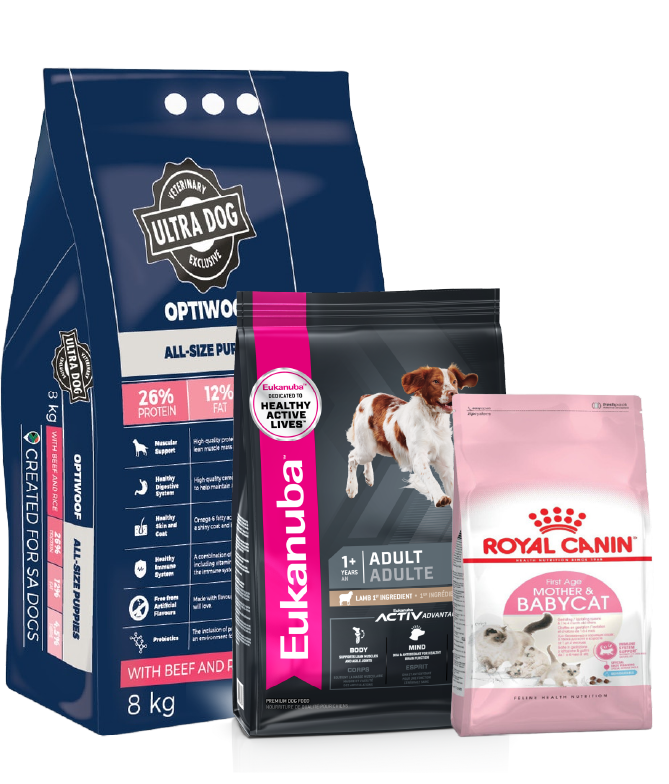
South African Pet Food Products
The fine print (literally)
Pet food labels must also meet strict standards. They must include a guaranteed nutritional analysis, detailed ingredient list, feeding instructions, batch numbers, and a “V-number” — the official registration code that proves the product is legally approved.
Even genetically modified (GM) ingredients, like maize or soya, must be declared if present above 5%. (Yes, your cat’s kibble has more regulatory paperwork behind it than your average sandwich.)
The moral of the story
So the next time you’re standing in the pet aisle or at your local vet, heart racing at the sight of those price tags, spare a thought for the producers of the grains, meats, poultry, and fish products — as well as the scientists, lawyers, and regulators quietly working behind the scenes to make sure your furry family member’s dinner is safe, nutritious, and compliant.
So yes, pet food is expensive — but it’s also a small marvel of science, regulation, and logistics wrapped up in a shiny 5 kg bag.
And for those of us who spend our days navigating this complexity from the other side of the fence — helping companies understand and comply with the laws that govern food, feed, and agricultural products across Africa — it’s a reminder of just how much precision, patience, and paperwork go into every bite.

Alison Levesley
(BSc; MSc; LLB)
Alison is an independent consultant providing legal, regulatory and scientific advisory services to the agricultural, food and human health sectors. She has an MSc in biotechnology and is a qualified patent attorney specialised in Regulatory Affairs and Patent Law in the biological sciences.